

Step into the professional arena in 2024, where the workplace is no longer just physical office space, but a dynamic ecosystem shaped by rapid technological advancements, evolving work methodologies, and a profound shift in how we perceive and engage with our professional lives. As you embark on this journey, imagine a landscape where traditional boundaries are blurred, resulting in a workplace that transcends conventional norms. In this introduction, we will explore the unique contours of the modern workplace, painted with vibrant hues of innovation and collaboration. Here, success is not limited to mere competence in a specific skill set; it is about embracing change, cultivating adaptability, and navigating the complexities of a workplace that thrives on diversity and constant evolution. Join us in exploring the skills that will help you navigate and excel in this unique professional tapestry of 2024. Welcome to a future where your journey is not just about finding your place in the workforce but actively shaping the landscape of tomorrow.

Understanding the Dynamics of 2024 Workspaces
To comprehend the dynamics of modern workspaces in 2024, we must take a comprehensive look at the evolving workplace landscape. We can see a shift from traditional office setups to more dynamic environments where the physical and digital worlds blend seamlessly. This transformation is influenced by trends that redefine work culture, embracing remote work as a fundamental aspect and using collaboration tools to facilitate seamless communication and productivity across distributed teams. In the present scenario, flexibility is no longer a perk. Still, it has become a core characteristic encompassing adaptable schedules and focusing on results over rigid timelines. The workspaces of 2024 are dynamic ecosystems shaped by technology, characterized by flexibility, and fueled by a commitment to fostering a collaborative and inclusive work culture. By understanding this, one can thrive in a diverse and exciting professional landscape.
Tech Mastery in the Workplace
Technology is no longer just a tool for us in the workplace. It has become the driving force that shapes every aspect of our professional lives. It is no longer just a skill we can choose to have. It has now become necessary for us to thrive in today’s digital landscape. Understanding the central role of technology in the workplace is crucial, as it forms the backbone of daily operations, communication, collaboration, and project management. Mastering standard workplace tools and platforms is an essential part of tech mastery. This involves continuous learning to stay abreast of technological advancements and embracing online courses and industry resources. In addition, having a basic understanding of data analytics tools, like Excel or Google Analytics, is increasingly valuable in data-driven workplaces. Cybersecurity awareness is also essential, considering the growing reliance on technology. Staying vigilant about online security practices helps protect both personal and professional data.
Incorporating these insights into your professional approach helps you navigate the digital landscape effectively and positions you as a proactive contributor in the ever-evolving world of work.
The Art of Effective Communication

Effective communication plays a pivotal role in the professional realm. It serves as the linchpin for understanding, collaboration, and successful teamwork. In a world where interactions occur both in physical and digital landscapes, clarity in communication is crucial for accurately conveying ideas, setting transparent expectations, and resolving conflicts efficiently.
In remote and digital interactions, the importance of effective communication becomes even more significant. Strategies such as choosing a suitable medium, being concise, and actively listening play a crucial role. Setting clear expectations and fostering a culture of open feedback become paramount to ensure professionals can navigate the nuances of remote work and maintain a positive, collaborative environment. The art of effective communication not only strengthens professional relationships but also provides alignment and connectivity among individuals, regardless of their physical location, in pursuit of collective goals.
Nurturing a Growth Mindset
Nurturing a growth mindset involves valuing continuous learning and adaptability. This mindset emphasizes that abilities can be developed through dedication and hard work. To embrace a growth mindset, there are practical steps that you can take. These include cultivating curiosity to fuel your thirst for knowledge, setting tangible learning goals that align with your professional aspirations, viewing challenges as opportunities for learning and innovation, actively seeking constructive feedback to drive improvement, exploring diverse learning channels from online courses to networking events, and regularly reflecting on experiences to enhance self-awareness and inform future learning endeavors.
By fostering a growth mindset, individuals acquire new skills and cultivate adaptability, which is essential for navigating dynamic professional environments. This mindset views challenges as opportunities for growth, making the professional journey an evolving and enriching expedition.
Building Meaningful Professional Relationships

Building professional relationships is crucial for career growth. Authentic connections require genuine interactions. Networking opens doors to opportunities and collaborative ventures. Cultivating authentic connections involves being honest, showing interest in others, and seeking common ground. Trust, reciprocity, mentorship, and participation in networking events facilitate relationships with professionals and contribute to career success.
Balancing Act: Work and Life Harmony
Balancing work and personal life is a delicate process that requires careful consideration of professional responsibilities and emotional well-being. Achieving this equilibrium demands a conscious effort to ensure that no aspect overshadows the other. To attain this balance, individuals must know their needs and boundaries. It involves recognizing when work demands encroach on personal time and vice versa. Therefore, it is essential to set clear boundaries and communicate these limits effectively with oneself and colleagues. Being present in the moment is also critical to finding harmony in the work-life equation. This mindfulness allows individuals to extract fulfillment from each sphere without feeling overwhelmed by the demands of the other. Ultimately, attaining work and life harmony is a personalized journey that requires self-awareness, adaptability, and a commitment to prioritize well-being alongside professional responsibilities. As individuals navigate this balancing act, they can create a sustainable and fulfilling rhythm that allows for both career success and a satisfying personal life.
Decoding Company Culture

Understanding a company’s culture is vital for job satisfaction. It involves grasping the values, beliefs, and practices that shape the workplace environment. This includes aspects like communication, leadership, and teamwork. Aligning personal values with the company’s culture enhances job satisfaction and well-being. By observing cultural norms, adjusting communication styles, and embracing shared values, employees can improve their job satisfaction and contribute positively to the workplace.
Goal Setting for Success:
Setting clear goals is a powerful catalyst for both personal and professional development. It involves defining specific, measurable, achievable, relevant, and time-bound (SMART) objectives that serve as a roadmap for success. Individual aspirations gain momentum when aligned with organizational goals, fostering a symbiotic relationship that fuels mutual growth.
Embracing Change and Innovation:
Change is inevitable in the professional landscape, and embracing it is vital to staying relevant and thriving. Adaptation involves cultivating a mindset that welcomes innovation and contributes to a culture of continuous improvement. By visiting agile, fostering creativity, and actively participating in the evolution of processes, individuals can navigate change effectively and become drivers of positive transformation within their professional spheres.
Conclusion

In summary, achieving success in the changing workplace in 2024 will require a strategic combination of skills, mindset, and adaptability. Some key insights to keep in mind include establishing clear boundaries between work and personal life, mastering effective communication in digital spaces, planning strategically to manage time, embracing continuous learning, building meaningful connections, understanding and positively assimilating into company culture, setting clear goals for personal and professional development, and proactively embracing change and innovation. For those new to the professional world, take advantage of opportunities, adapt to change, build strong relationships, and set ambitious goals. The evolving workplace presents a challenge and a canvas for your success. By incorporating these insights, you can shape a fulfilling and successful professional journey in the dynamic landscape 2024.








 In the battle against burnout, a supportive work environment emerges as a cornerstone. This involves fostering open communication and empathy, prioritizing work-life balance, and embracing flexible work arrangements. Open communication establishes a foundation of trust and camaraderie, cultivating a culture of empathy that acts as a protective shield against burnout. Emphasizing work-life balance, delineated by clear boundaries and encouragement of time off, contributes to heightened job satisfaction and reduced stress. Simultaneously, embracing flexible work arrangements acknowledges individual needs, empowering employees to tailor their work to their unique circumstances. Leadership assumes a pivotal role in setting the tone for this supportive environment by actively promoting well-being, modeling healthy work-life balance, and championing flexibility. In doing so, leadership becomes a catalyst for a workplace where individuals not only survive but thrive, and where burnout is mitigated through collective efforts.
 Central to creating a healthy and productive workplace is the recognition and appreciation of individual contributions. This involves acknowledging efforts, whether publicly or privately while highlighting the impact of their work on team or organizational success. Concurrently, fostering a sense of purpose among employees is pivotal. This can be achieved through transparent communication of organizational goals, providing opportunities for impactful work aligned with individual skills, and empowering autonomy in decision-making. By following these succinct strategies, organizations can elevate employee engagement and create a culture where individuals feel valued and connected to the meaningful outcomes of their contributions.
 The Essence of Women’s Empowerment
 Despite the significant strides made toward gender equality in recent years, women continue to face various complex challenges on a global scale. These challenges are often rooted in cultural norms, discriminatory practices, and societal expectations that restrict women’s opportunities and hinder their progress. From pay gaps and limited access to education and healthcare to a lack of representation in leadership positions, women’s advancement is frequently impeded by a range of systemic barriers. Moreover, the persistence of gender-based violence further exacerbates the difficulties women encounter, creating an environment that stifles empowerment efforts and perpetuates a culture of fear and vulnerability for women. These multifaceted challenges require a comprehensive and sustained effort to address the underlying factors limiting women’s full participation and potential in all aspects of society.
 Government Policies
 In conclusion, the imperative of women’s empowerment extends far beyond pursuing gender equality; it is a prerequisite for creating a just, equitable, and prosperous world. The ripple effect of women’s empowerment touches every aspect of society, from the individual to the community and beyond. Yet, persistent barriers necessitate concerted efforts from governments, businesses, and individuals to dismantle discriminatory practices and create environments where women can thrive. As we reflect on the importance of women’s empowerment, a call to action echoes. It is incumbent upon individuals and organizations to actively participate in the collective effort to promote gender equality. By championing the cause of women’s empowerment, we contribute to the well-being of half the global population and the advancement of humanity as a whole. Together, we can create a world where the potential of every individual, regardless of gender, is fully realized.

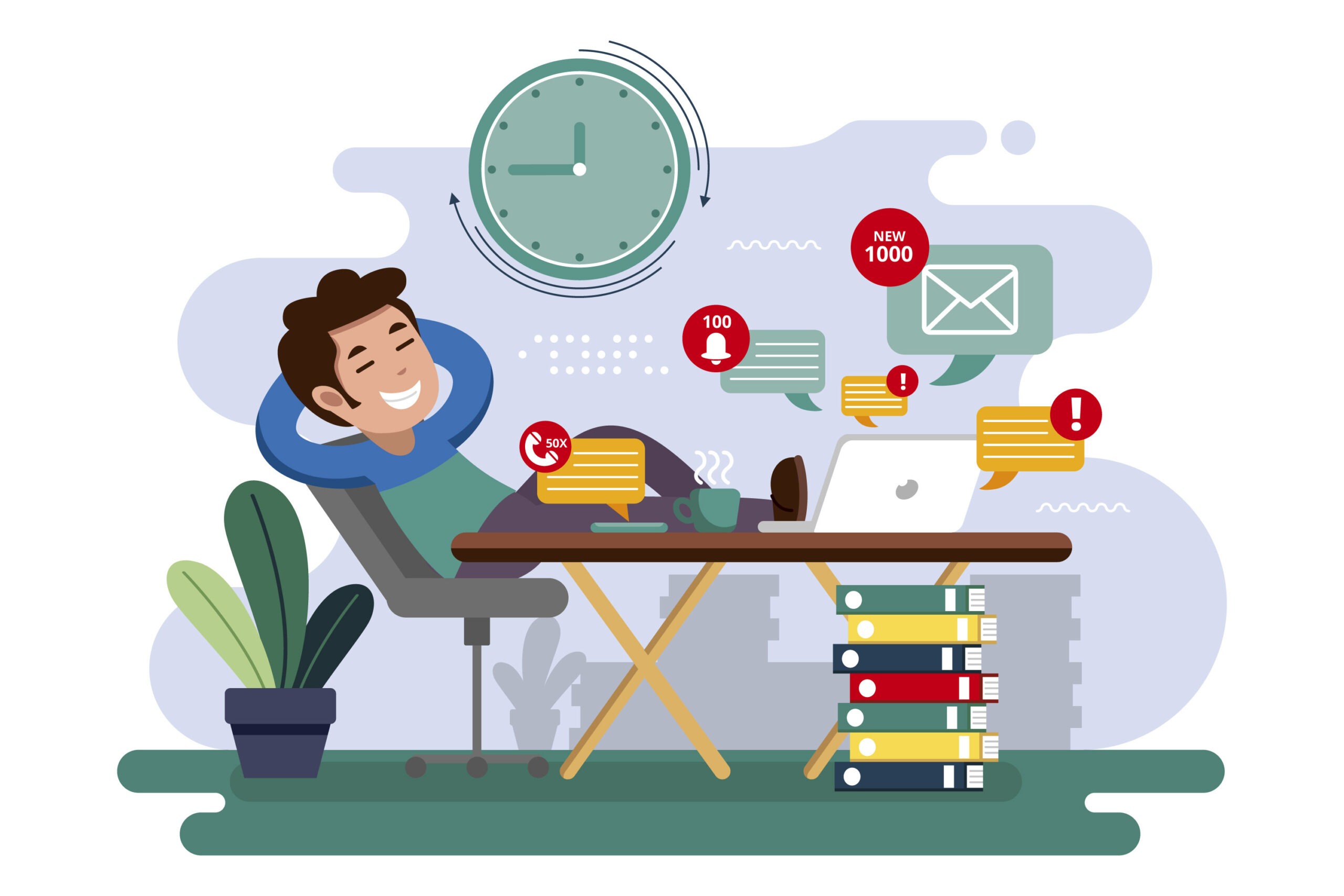










 When working remotely or in flexible work environments, it becomes even more important to establish clear boundaries. Create a designated workspace at home, separate from your personal living areas. Define specific work hours and strive to stick to them. Communicate your availability to colleagues and clients, ensuring they understand when you are and aren’t accessible.




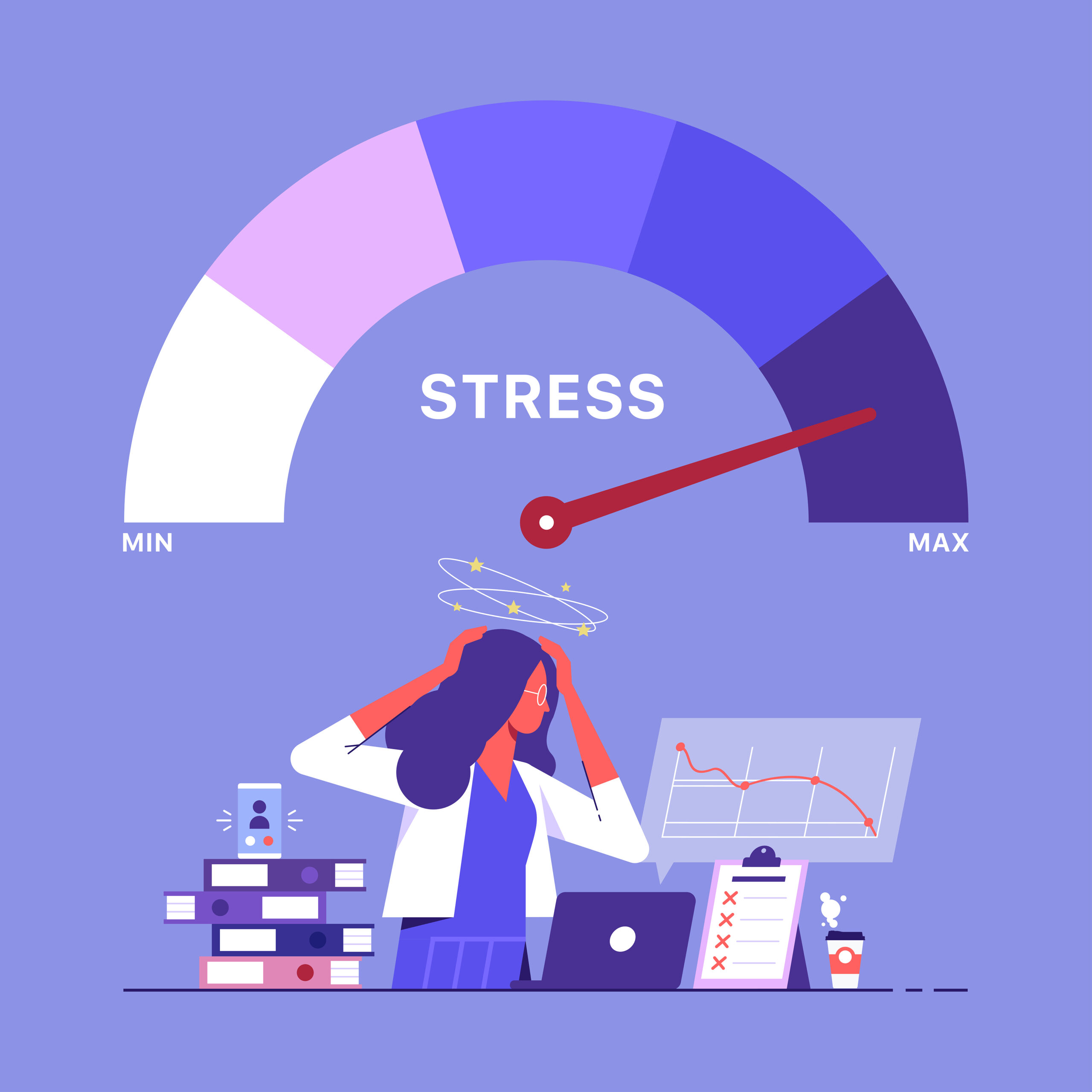
 Identifying Stress Triggers: One of the key steps in creating an effective stress management plan is understanding what triggers our feelings of stress. Identifying these triggers can help us avoid them in the future or find ways to better cope with their presence. This could involve taking time out for self-reflection, keeping a journal detailing stressful events and how we reacted to them, or speaking with those close to us who may be able to offer insight into our behavior when faced with certain situations.


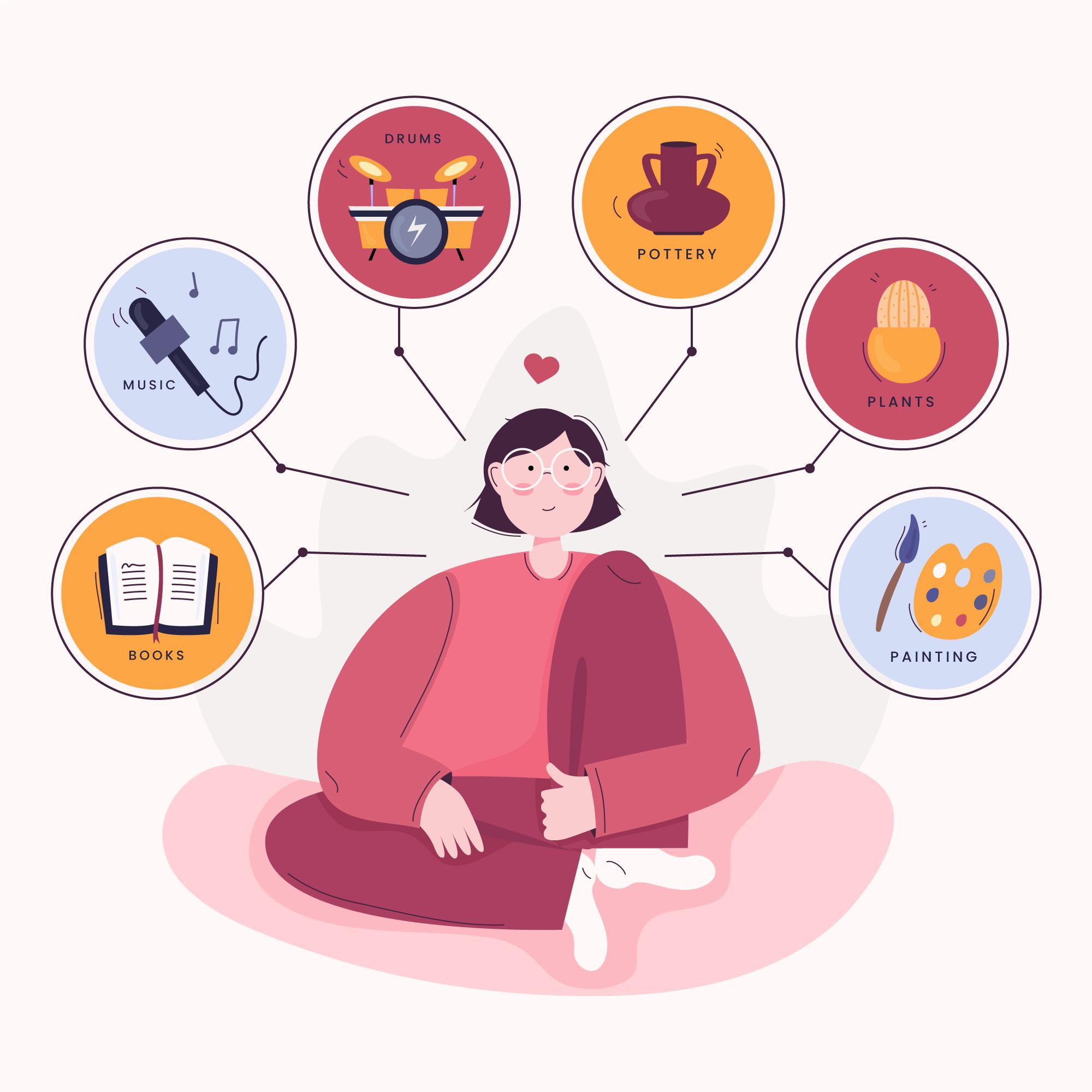 Taking care of yourself is an essential step towards leading a healthy and happy life. It involves maintaining good habits such as exercising regularly, following a balanced diet, and getting adequate sleep. It’s important to note that physical fitness and good hygiene are crucial for both your physical and mental well-being.
 Create Support? What does that mean? Creating support refers to connecting with colleagues facing the same condition as you or having experienced this phase before. Sharing experiences helps you to provide emotional relief.